Heavy Haulage Transport Permits: What You Need Before Moving Oversized or Overmass Loads
Moving a large load without the right paperwork can halt a job site, attract heavy fines, and create serious safety risks. Heavy hauling transport across Australia is tightly regulated, and understanding the permit system before you move is essential for every operator, builder, and project manager.
When Does a Heavy Haul Move Need a Permit?
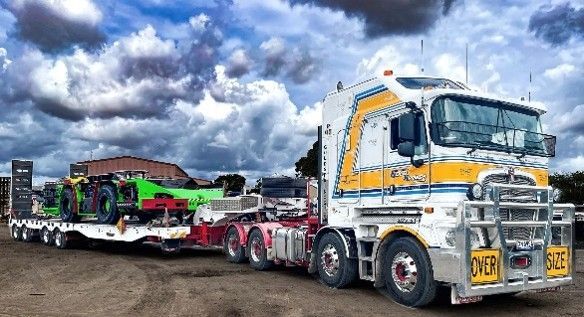
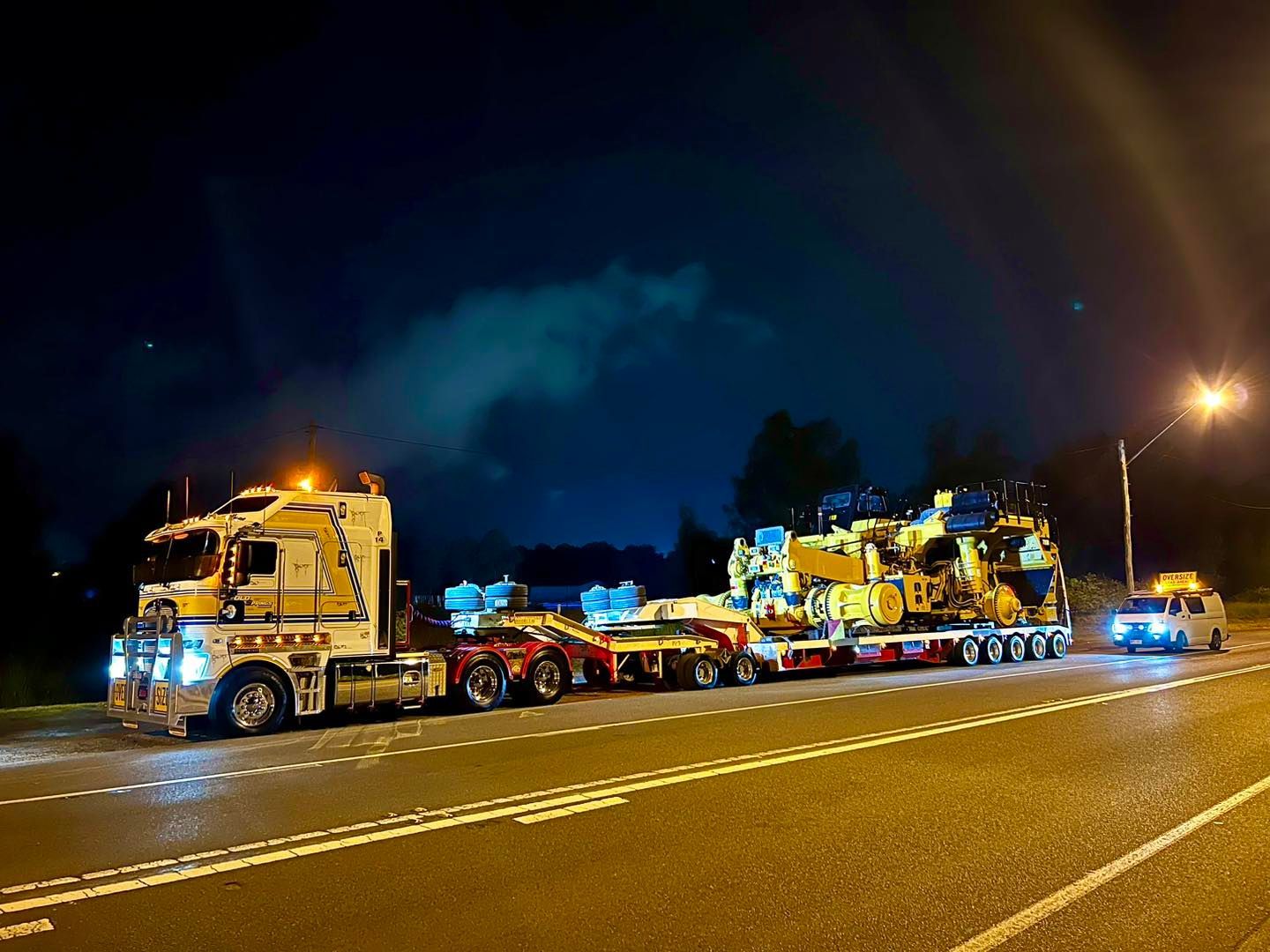
A permit is required whenever a vehicle and its load exceed standard mass or dimension limits. Oversize loads are typically wider than 2.5 metres, higher than 4.3 metres, or heavier than legal mass limits. Under the Heavy Vehicle National Law (HVNL), these are formally classified as Class 1 load-carrying vehicles, commonly referred to as oversize overmass (OSOM) vehicles.
If your load can be broken down, regulators will generally expect you to do so. A permit applies when a vehicle or combination carrying a large indivisible item exceeds prescribed mass or dimension requirements.
How Does the NHVR Permit System Work?
The National Heavy Vehicle Regulator (NHVR) manages heavy transport permits for vehicles over 4.5 tonnes GVM across most states and territories. Western Australia is overseen by the Department of Transport, and the Northern Territory by the Department of Infrastructure, Planning and Logistics. Applications and renewals are processed through the NHVR Go online portal.
State Permit vs National Permit
A state permit applies when the oversized load operates within a single state outside existing notices or general access. A national NHVR permit is needed for multi-jurisdiction heavy hauling transport travel, allowing one application to cover multiple states.
Even under the NHVR, states including NSW, QLD, VIC, and SA maintain their own access conditions, curfews, and pilot vehicle requirements. Operators moving through the Hunter Valley, New England Highway, or Upper Hunter mining corridor should confirm both NHVR and Transport for NSW conditions before departing.
How Long Does Permit Approval Take?
Timeframes vary with route complexity. Under the HVNL, road managers have 28 days to assess a new application and 14 days for renewals, with extensions of up to 6 months available for route assessments. Plan early and allow buffer time, particularly for moves involving multiple road managers or bridge assessments.
Escort and Pilot Vehicle Requirements
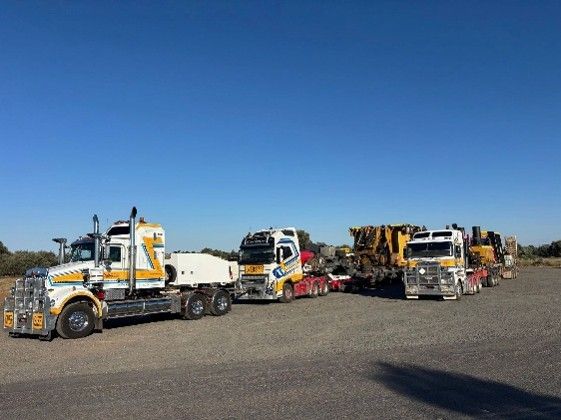
Escort vehicles are a key compliance requirement for many OSOM movements. Operators must provide permit copies to all pilot and escort drivers. Requirements are regulated by state and territory authorities, except Victoria.
In 2025, Transport for NSW standardised pilot and escort requirements for Class 1 mobile cranes, non-mobile crane special purpose vehicles, and load-carrying vehicles. NSW requires a transport management plan for movements classified as high risk by dimension, mass, route, or load type, submitted through NHVR Go with the permit application.
Most Common Compliance Mistakes for Heavy Hauling Transport
These errors frequently delay or invalidate OSOM applications:
- Applying without confirming the approved route against the NHVR network map.
- Failing to obtain local council approval on roads outside the state network.
- Not factoring in police escort lead times for high-risk NSW routes.
- Submitting insufficient load measurements or omitting a transport management plan.
- Overlooking travel window restrictions and curfews that vary by route and load class.
Before departure, verify all operating conditions, including the approved route, travel windows, speed limits, warning signs, load restraint, and pilot or escort positioning.
Partner With an Experienced Heavy Haulage Transport Operator
Goldsprings Heavy Haulage has more than 35 years of experience managing oversized and overmass heavy hauling transport, including NHVR applications, escort coordination, and route planning through challenging regional corridors. Visit the
oversize and overmass haulage services page or
get in touch to request a quote. Call
02 4932 0622 to speak with a specialist directly.