Overmass Transport in Australia: What You Need to Know
Overmass transport is one of the most regulated and technically demanding sectors in the Australian heavy haulage industry. Whether you are moving mining machinery across New South Wales, shifting large civil components through Queensland, or transporting gas pipeline equipment interstate, these loads follow a specific set of legal rules that must be carefully followed before a single wheel turns.
What Is Overmass Transport in Australia?
Overmass transport refers to the movement of loads that exceed the standard legal mass limits set by Australian road transport authorities. A load that exceeds standard weight thresholds is classified as overmass and requires a dedicated permit before it can legally travel on public roads. This is a separate category from oversize transport, which concerns loads that exceed standard width, height, or length limits. A single load can be both overmass and oversize at the same time, and each condition may trigger its own separate assessment and permit requirement.
Under the Heavy Vehicle National Law (HVNL), any heavy vehicle that exceeds standard mass or dimension limits requires a special access permit. The National Heavy Vehicle Regulator (NHVR) administers these laws across Queensland, New South Wales, Victoria, South Australia, Tasmania, and the ACT. Western Australia and the Northern Territory operate under separate state-based legislation, meaning movements into or through those jurisdictions require consultation with local authorities to confirm the correct regulatory framework.
Why Permits and Route Planning Matter So Much
Obtaining the correct permits is a non-negotiable first step, and these must typically be secured from both the NHVR and relevant third parties to ensure full legal compliance. The permitting process involves route assessment, checking infrastructure limits such as bridge capacities and road widths, identifying level crossings that may require written approval from a Rail Infrastructure Manager, and confirming that all load dimensions fall within applicable national notices or exemptions.
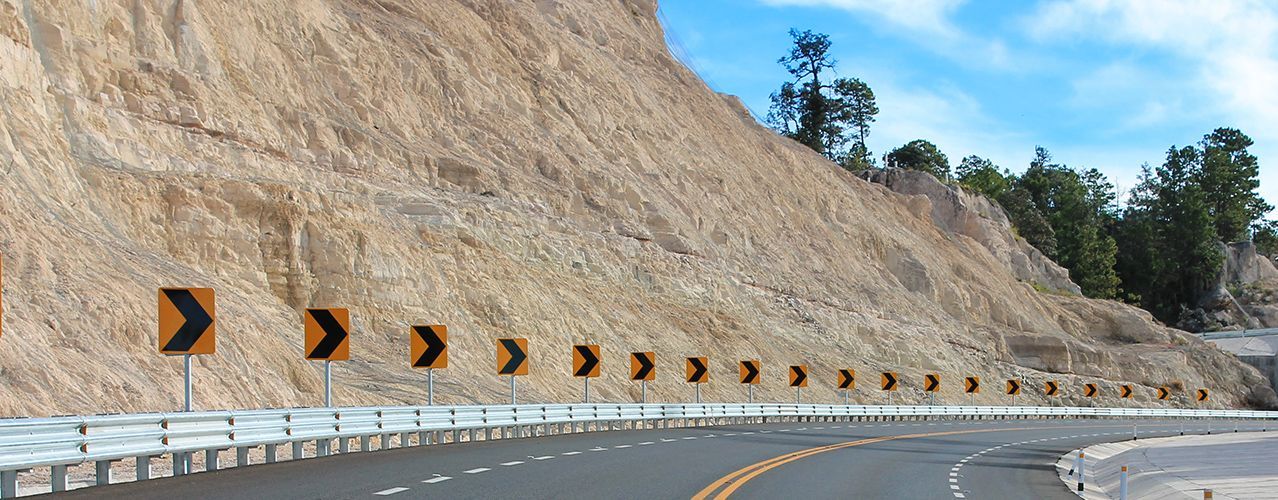
Route planning is equally critical. Approved routes must account for overhead structures, tight bends, urban traffic zones, and road surface limitations. For high-risk movements, some states such as New South Wales may also require a formal Transport Management Plan (TMP) that documents how the movement will be carried out safely, covering route surveys, traffic management arrangements, and community consultation where relevant.
Escort Vehicles, Safety Requirements, and Travel Restrictions
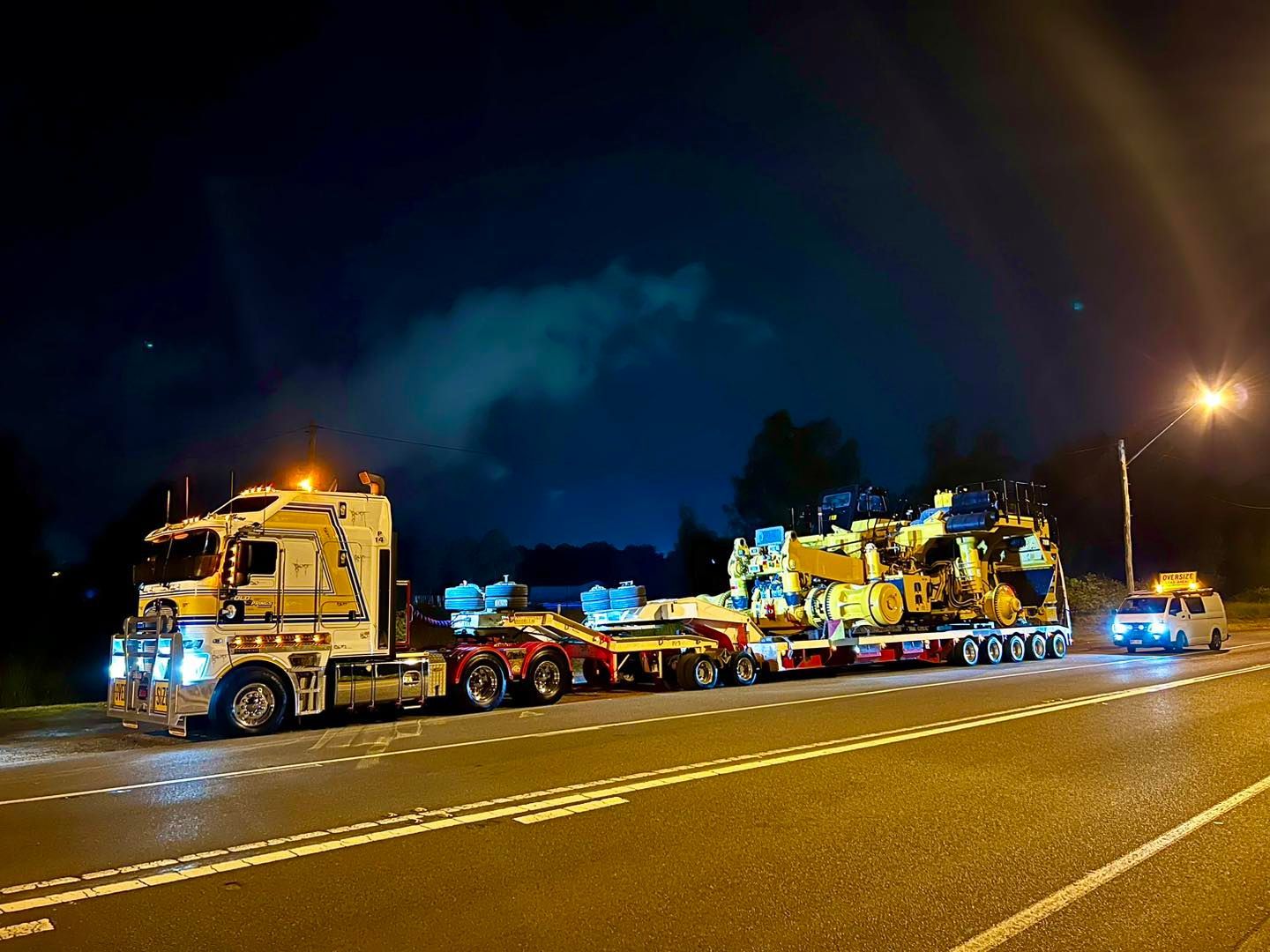
Escort and pilot vehicle requirements are determined by permit conditions and state-specific access rules, with the number of escorts typically based on the load's total dimensions, mass, and whether travel occurs during daylight or after dark. Night travel restrictions often apply to particularly wide or heavy loads, and warning lights on the front, back, and sides of the vehicle combination are generally required throughout the journey.
Speed limits for overmass loads are frequently lower than standard road limits, and minimum following distances must be maintained at all times. Drivers are typically required to carry documentation in the vehicle cab, including a copy of the relevant permit or notice, for any roadside inspection. Non-compliance can carry serious legal consequences for every party in the supply chain, not just the driver or transport operator.
Industries That Commonly Require Overmass Transport
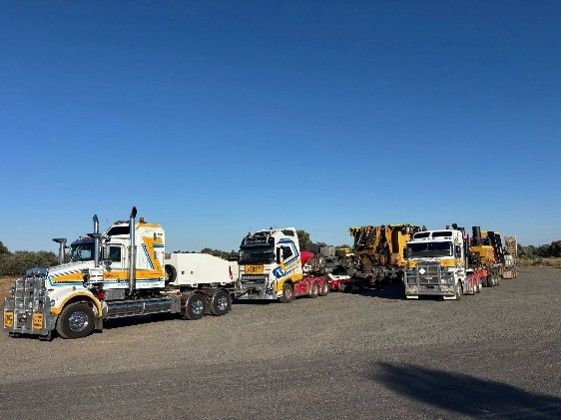
Overmass transport across Australia is most commonly required by a handful of key industries. Mining operations regularly move heavy machinery such as excavators, dragline components, and processing equipment between sites. The gas pipeline and energy sector frequently transports large prefabricated structures and pressure vessels. Rail and civil construction projects often require the movement of heavy prefabricated bridge sections, crane components, and structural steel. The quarrying industry also relies on overmass haulage to relocate crushing and screening plant between sites.
Each of these industries operates on tight project schedules, making compliance, planning, and reliable execution critical to keeping work on track.
Key Factors That Affect Overmass Transport Planning
Successful heavy haulage in Australia typically depends on several variables that must be assessed well in advance.
▸Total load mass, including the weight of the trailer and prime mover combination.
▸Proposed route infrastructure, particularly bridge load ratings along the full path.
▸State and territory-specific permit conditions, which can vary significantly even for interstate movements.
▸Escort and pilot vehicle requirements applicable to the load's dimensions and route type.
▸Time-of-travel restrictions, including night travel prohibitions and peak-hour exclusion zones.
▸Weather and road conditions that may affect safe passage, particularly on regional or unsealed roads.
Getting these factors right from the outset helps avoid costly delays, permit rejections, and the risk of damage to road infrastructure.
Choosing the Right Partner for Overmass Transport
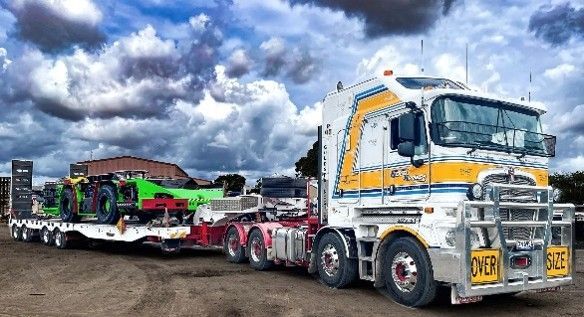
Choosing the right haulage partner can determine whether your project stays on schedule or stalls before it starts. Operators with deep experience in overmass transport across Australia understand how to navigate the permit process efficiently, engage with regulators proactively, and identify route complications before they become project problems. A well-maintained and diverse fleet also matters, as different loads require specific trailer configurations, from multi-axle floats to extendable platforms and low-loaders.
These complex movements demand a team that combines technical capability with strong compliance knowledge and industry-specific experience across mining, civil, rail, and infrastructure sectors.
Ready to Plan Your Next Overmass Move?
Goldsprings Heavy Haulage is a Rutherford, NSW-based specialist serving clients across Australia, with over 35 years of experience in overmass transport and oversized haulage. The team manages end-to-end services from permit acquisition through to route planning, coordination, and execution for complex moves across all states and territories. To discuss your next project or request a quote, visit the contact page or explore the full range of oversize and overmass haulage services. You can also call the team directly on 02 4932 0622. Find Goldsprings Heavy Haulage on Google to read reviews and get directions.